Pain With Intimacy: Common Causes (and What Can Help)
Pain with intimacy is far more common than most people realize—and it is never “just in your head.” If intercourse is uncomfortable, painful, or something you’ve begun to avoid, there is always a reason, and there are real solutions.
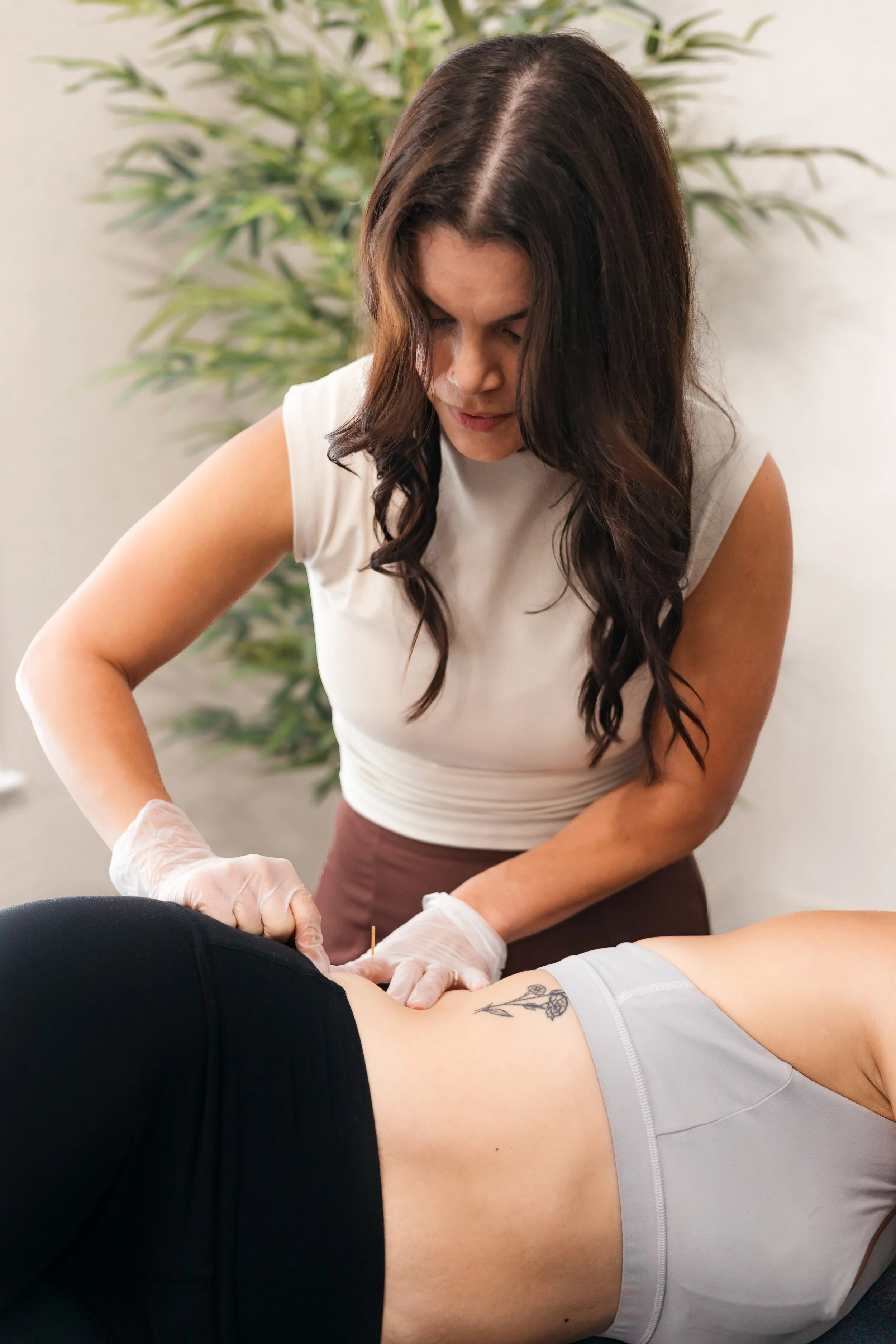
Below are some of the most common causes we see in pelvic floor physical therapy, along with evidence-based ways to address them.
1. Vaginal Dryness & Hormonal Changes
Women in perimenopause, menopause, post-menopause, and postpartum often experience lower estrogen levels. Estrogen plays a key role in maintaining vaginal tissue health and lubrication, so when levels drop, dryness, irritation, and pain with penetration can occur.
What can help:
Finding the right lubricant (everyone’s body responds differently—ask us about samples, we have a variety!)
Talking with your doctor about vaginal estrogen, especially if dryness affects daily comfort, not just intimacy
Dryness is medical, not a personal failing—and it deserves proper care.
2. Tight or Shortened Pelvic Floor Muscles
Tight or shortened pelvic floor muscles can create pain with penetration and may even limit depth. These muscles can become overactive from stress, posture, guarding due to pain, or previous injuries.
What can help:
Gentle pelvic floor stretches such as:
Happy Baby
Child’s Pose
Deep supported squats
Holding each stretch for 1–2 minutes to allow true muscle relaxation
Stretching before intercourse to reduce guarding
Seeing a pelvic floor physical therapist is key. We help identify why the muscles are tight and create an individualized plan to restore comfort and function.
3. Trauma & the Nervous System
“The body keeps the score.” In my years of pelvic floor physical therapy, I’ve seen how often trauma—physical or emotional—is held in the pelvis.
This is both opinion and science:
The pelvic floor muscles are anticipatory muscles
They are innervated by nerves that respond to the nervous system
When the nervous system is elevated or stuck in fight-or-flight, the pelvic floor can remain guarded and overactive
What can help:
Pelvic floor physical therapy
Mental health support
Nervous system down-regulation techniques, such as:
Diaphragmatic breathing
Box (square) breathing
Longer exhales
Yoga or meditation
Journaling
Walking outdoors
Regular exercise
Learning how to regulate your nervous system isn’t just essential for pelvic floor health and intimacy—it’s a lifelong skillthat benefits your entire body.
4. Undiagnosed Pelvic Pain Conditions
Sometimes pain with intimacy is related to conditions that are frequently missed or misunderstood, such as:
Vulvodynia
Vestibulodynia
Vaginismus
Interstitial cystitis
Pudendal neuralgia
And more
What can help:
Seeing a skilled gynecologist
Working with a trained pelvic floor physical therapist
Seeking a second (or third) opinion if you feel dismissed
Your symptoms are valid.
You deserve to be heard.
And if you’ve had to navigate multiple providers searching for answers—I am truly sorry. Some pelvic pain conditions are not easily identified by an untrained eye. If something doesn’t feel right, keep advocating for yourself.
What Isn’t the Solution
You may notice that none of these solutions included “drink a glass of wine.”
Of course, enjoy one if you love to—but alcohol is not a treatment for pelvic pain with intimacy.
Pain is communication from your body, and it deserves care—not numbing.
You Are Not Broken
Pain with intimacy is common, treatable, and never something you have to “just live with.” With the right support, education, and individualized care, comfortable and enjoyable intimacy is possible.
If you’re ready to start that conversation, we’re here to help.