How to Reduce the Risk of Perineal Tearing During Vaginal Delivery: A Guide to Birth Preparation
Whether you’re preparing for your first baby or your third, getting your body ready for labor can play an important role in reducing the risk of perineal tearing and long-term pelvic floor dysfunction. Learn what you can do during pregnancy to support your body and prepare for birth.
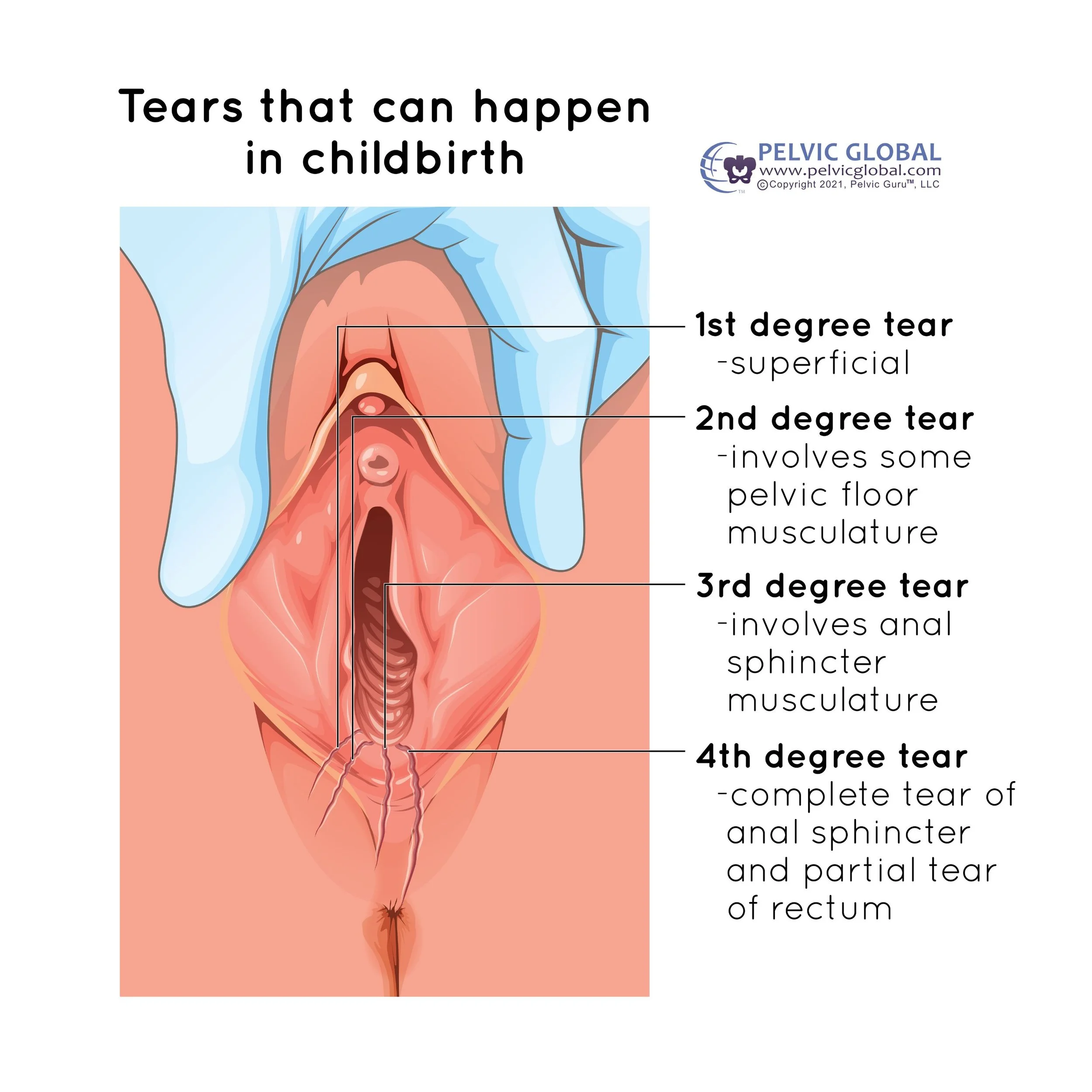
Pelvic floor physical therapy (PFPT) can play a meaningful role in reducing the risk and severity of perineal tearing during childbirth by improving how your muscles stretch, relax, and coordinate under pressure.
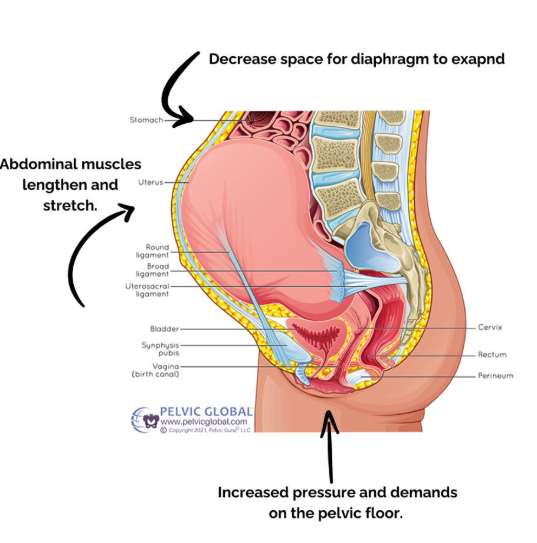
What’s happening during birth?
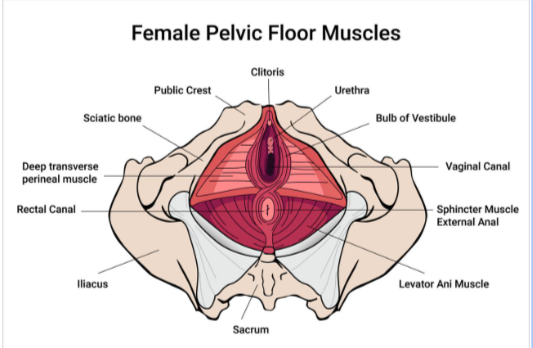
The perineum (the area between the vaginal opening and anus) must stretch significantly as the baby’s head crowns. If the pelvic floor muscles are tight, uncoordinated, or unable to relax, the tissue is more likely to tear.
1. Improves muscle flexibility and controlled relaxation
A PFPT teaches you how to fully relax and lengthen your pelvic floor—not just strengthen it. Many people think Kegels alone are enough, but excessive tension can actually increase tearing risk. Therapy helps balance strength with elasticity.
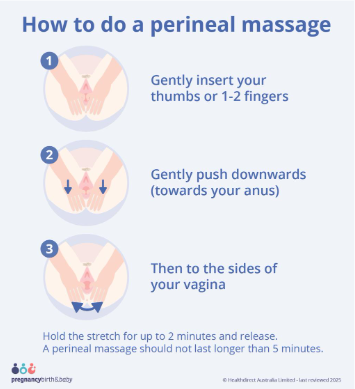
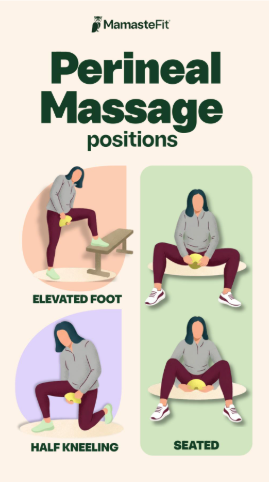
2. Perineal massage training
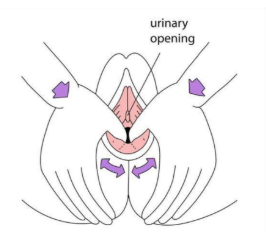
Starting around 34–36 weeks, a therapist can guide you in safe perineal massage techniques that:
Gradually increase tissue stretch tolerance
Improve blood flow
Reduce resistance during crowning
Studies show this can reduce severe tearing (especially for first-time births).
3. Teaches effective pushing techniques
Instead of forceful, breath-holding pushing, PFPT emphasizes:
Coordinated breathing
“Open glottis” pushing (gentler, sustained pressure)
Avoiding excessive strain
This allows the perineum to stretch more gradually.
4. Reduces pelvic floor overactivity (tightness)
Some people have a “hypertonic” pelvic floor (too tight). A therapist uses:
Manual therapy
Biofeedback
Relaxation exercises
to help the muscles release, which is key for preventing tearing.
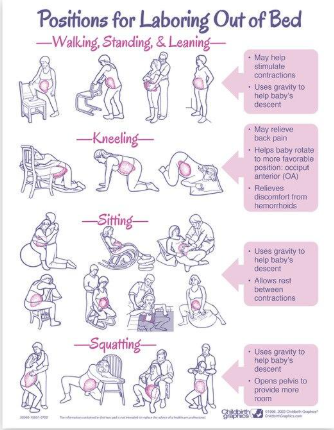
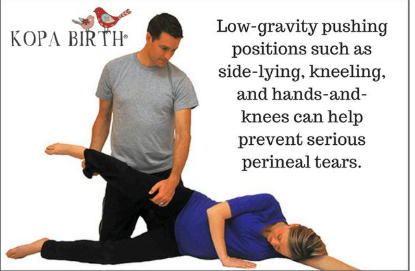
5. Improves body awareness & positioning
You’ll learn positions that reduce strain on the perineum, like:
Side-lying
Hands-and-knees
Supported squats
These positions can reduce pressure compared to lying flat on your back.
What the research suggests
Prenatal perineal massage → lowers risk of severe tears (3rd/4th degree)
Pelvic floor training focused on relaxation → improves tissue elasticity
Controlled pushing → associated with fewer traumatic tears
Important context
PFPT can reduce risk, but it can’t eliminate tearing entirely. Other factors matter too:
Baby size and position
Speed of delivery
Use of instruments (forceps/vacuum)
First vs. subsequent births
When to start
Ideally: second trimester onward
Perineal massage: around 34–36 weeks
Even a few sessions can be helpful if late in pregnancy
The Bottom Line
Pelvic floor physical therapy helps your body do something crucial for birth: relax while under pressure. That combination—flexibility, control, and awareness—is what protects the perineum the most.